Email Attachments vs Secure Document Sharing: What Businesses Should Know
Introduction
Email attachments have long been the standard way to exchange documents in business environments.
However, as cybersecurity risks increase, organizations are reconsidering whether email attachments are still appropriate for transmitting sensitive information.
How Email Attachments Work
When a file is sent as an email attachment, it becomes part of the recipient's inbox.
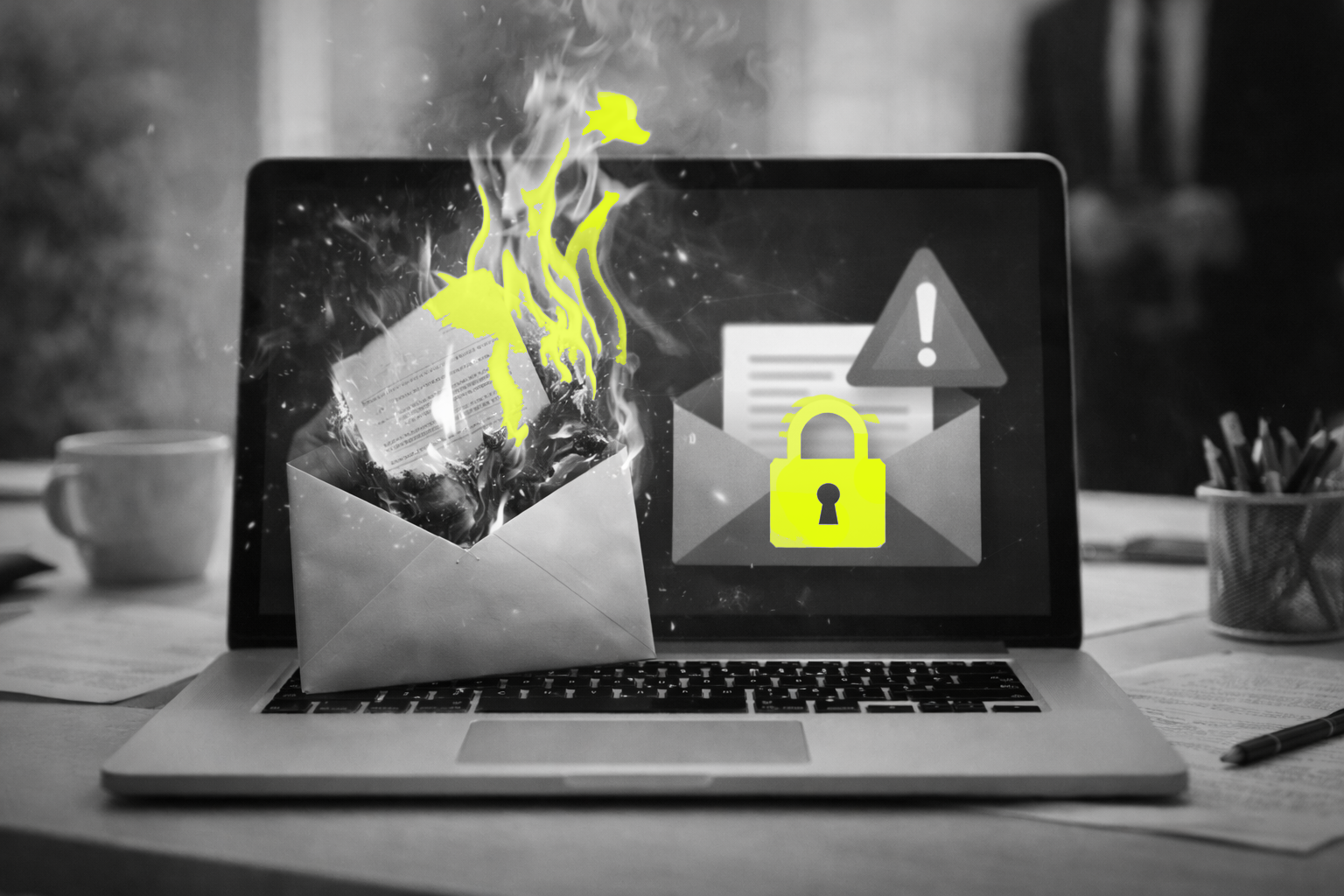
While this method is convenient, it introduces several security limitations.
Attachments can be forwarded without control and often remain stored in email archives indefinitely.
How Secure Document Sharing Works
Secure document sharing systems allow files to be accessed through controlled links rather than direct attachments.
Access can be restricted through authentication and monitored through audit logs.
These systems allow organizations to maintain greater control over their documents.
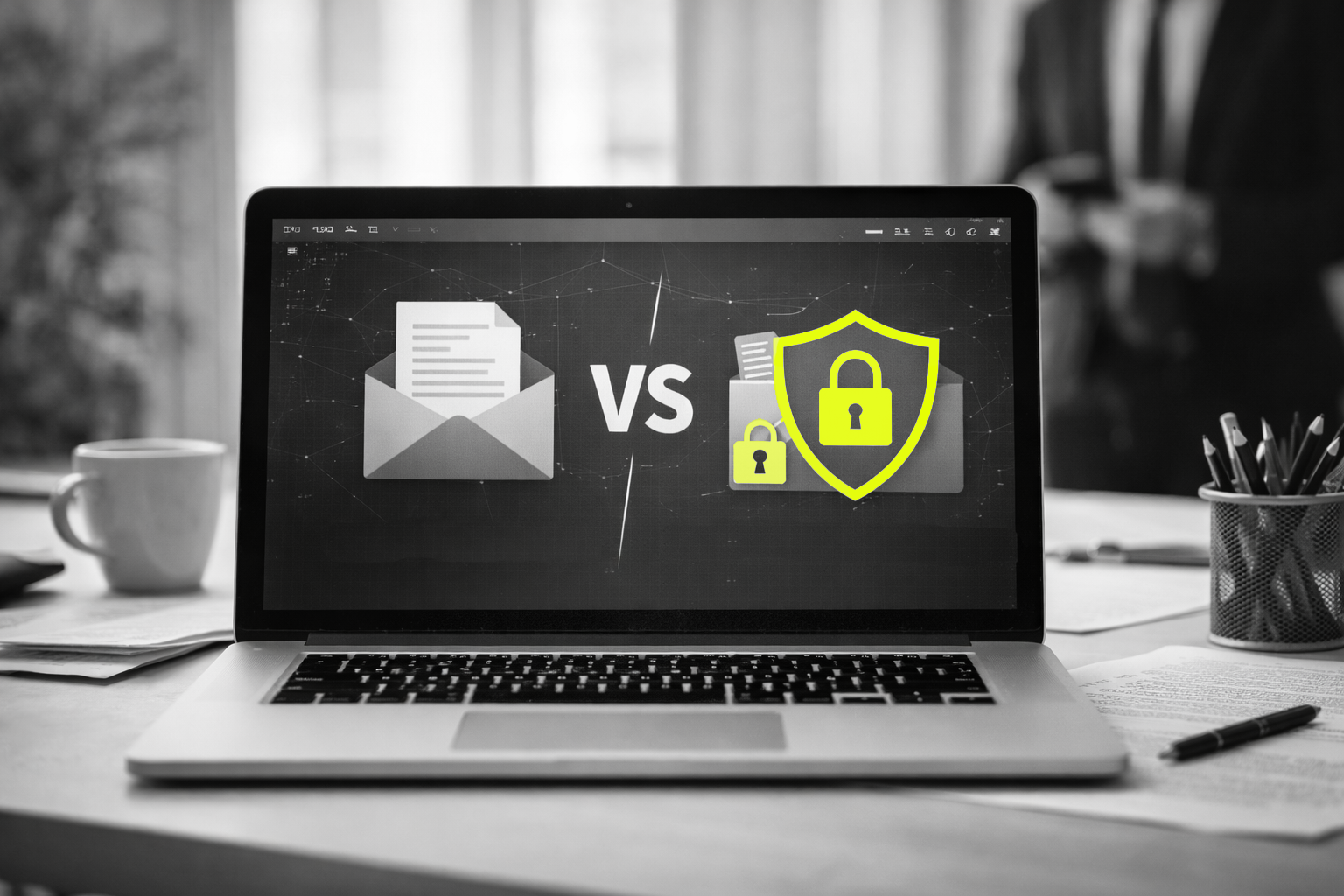
Comparing the Two Approaches
Email attachments:
- simple and familiar
- limited access control
- no document tracking
Secure document sharing:
- stronger access controls
- document access tracking
- reduced phishing exposure
Conclusion
While email attachments remain widely used, secure document sharing solutions provide stronger protection for sensitive information.
Organizations that handle confidential data increasingly adopt secure document exchange tools to improve both security and efficiency.
Frequently Asked Questions
Are email attachments secure?
Email attachments are convenient but offer limited control over document access and sharing.
What is secure document sharing?
Secure document sharing systems allow organizations to exchange files through controlled access links with authentication and tracking.