Secure Document Sharing: Best Practices for Businesses Handling Sensitive Information
Introduction
Organizations across nearly every industry exchange sensitive documents with clients, partners, and employees.
These documents may include financial records, legal agreements, identification documents, contracts, or internal reports.
Protecting this information during transmission is critical for maintaining trust and complying with modern privacy regulations.
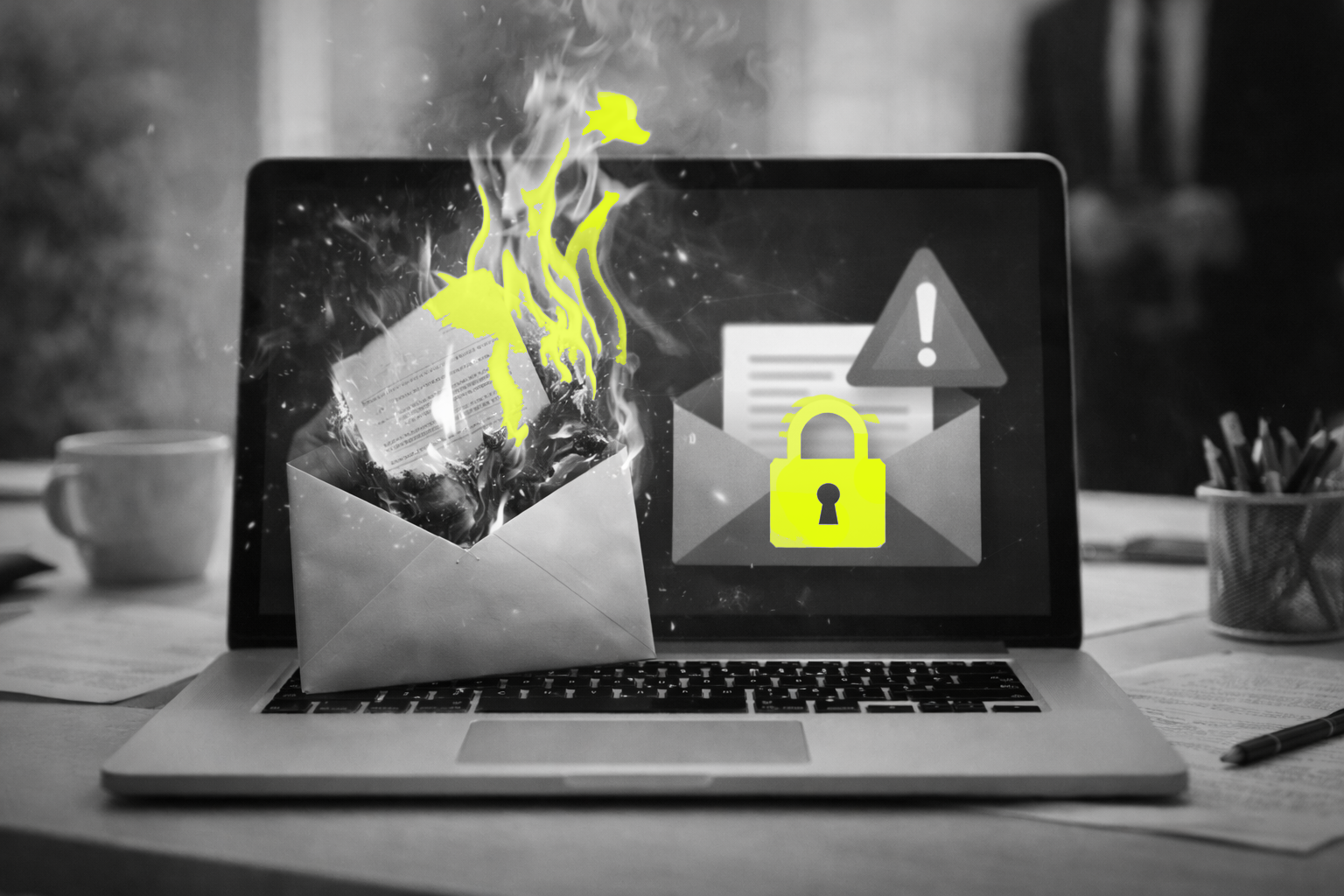
However, many organizations still rely on insecure workflows such as email attachments or loosely controlled cloud storage links.
Why Secure Document Sharing Matters
Sensitive documents contain valuable information that may be exploited by cybercriminals.
When organizations transmit documents through insecure channels, they increase the risk of:
- unauthorized access
- accidental data leaks
- phishing attacks
- compliance violations
Beyond security concerns, these incidents can damage client trust and harm an organization's reputation.
Best Practices for Secure Document Exchange
Organizations can significantly reduce risk by adopting several key practices.
Use controlled access links
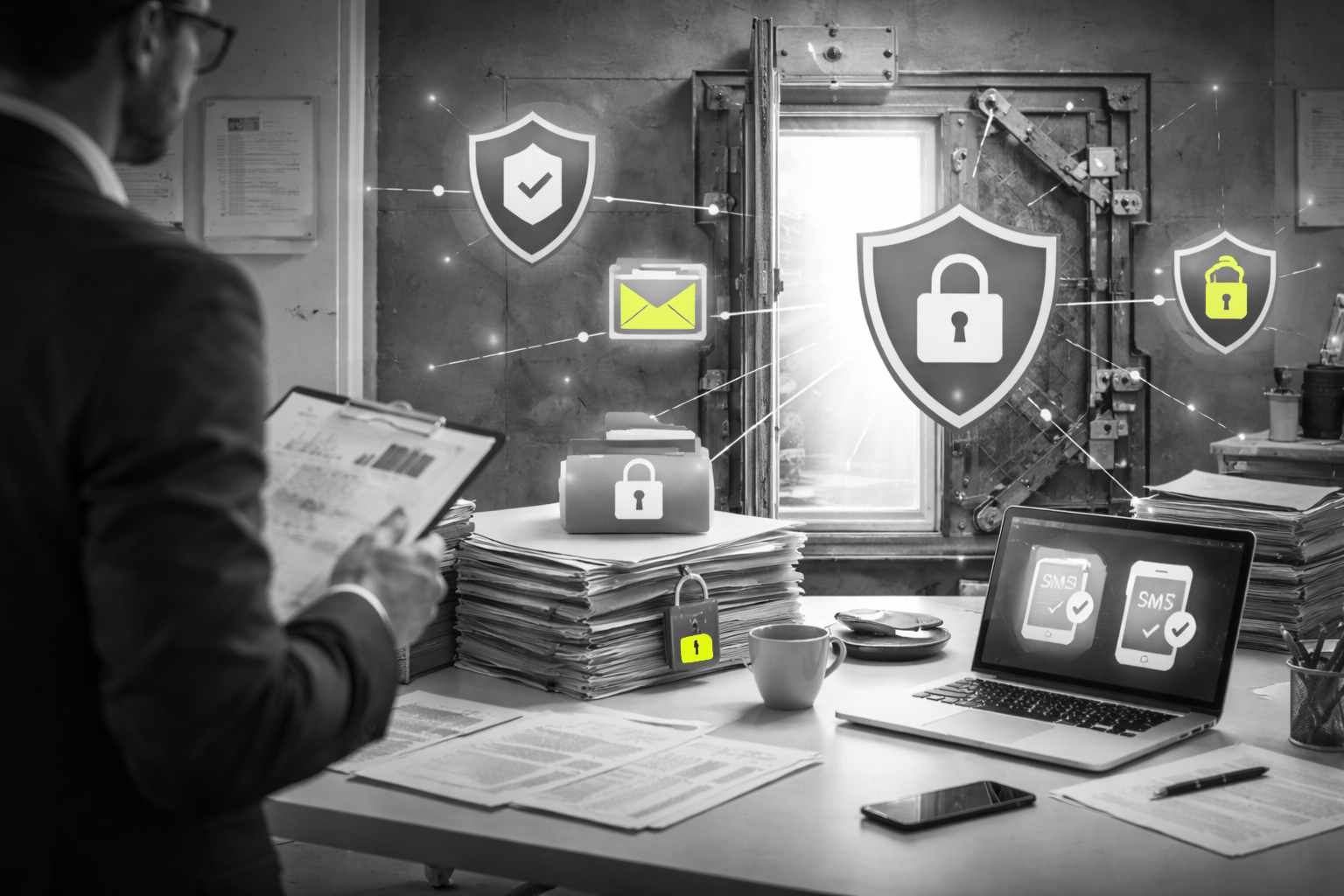
Documents should be accessed through links that allow administrators to control who can view or download the file.
Implement strong authentication
Authentication methods such as SMS verification or multi-factor authentication help confirm the identity of users accessing documents.
Track document access
Audit logs provide visibility into who accessed documents and when.
Limit document availability
Documents should automatically expire after a defined period to reduce long-term exposure.
Centralize document sharing workflows
Instead of scattering documents across email threads and shared folders, organizations benefit from centralized document exchange systems.
Balancing Security and Simplicity
Security measures must also remain easy for clients and partners to use.
Complex portals requiring account creation or password management often create friction and reduce adoption.
Solutions that simplify authentication while maintaining strong security controls tend to achieve higher adoption rates.
Conclusion
Secure document sharing is becoming an essential component of modern digital workflows.
Organizations that modernize how they exchange sensitive documents can significantly reduce cybersecurity risks while improving the experience for clients and partners.
Frequently Asked Questions
What is secure document sharing?
Secure document sharing refers to systems designed to safely exchange confidential files while controlling access, verifying user identity, and tracking document activity.
Why should businesses avoid sending sensitive documents by email?
Email attachments can easily be forwarded or intercepted, and they often remain stored in inboxes for long periods of time. Secure document sharing platforms provide greater control over how documents are accessed.
How can businesses protect confidential documents when sharing them online?
Businesses can protect sensitive files by using encrypted transmission, strong authentication, access controls, and document expiration policies.
What industries benefit from secure document sharing?
Secure document sharing is widely used in industries that handle sensitive information, including legal services, accounting, consulting, healthcare, financial services, and human resources.