How Privacy Regulations Are Changing the Way Businesses Share Documents
Introduction
Over the past decade, privacy regulations around the world have significantly reshaped how organizations handle personal and confidential information.
Businesses that exchange documents with clients, partners, and employees must now ensure that sensitive information is transmitted securely and handled according to strict privacy standards.
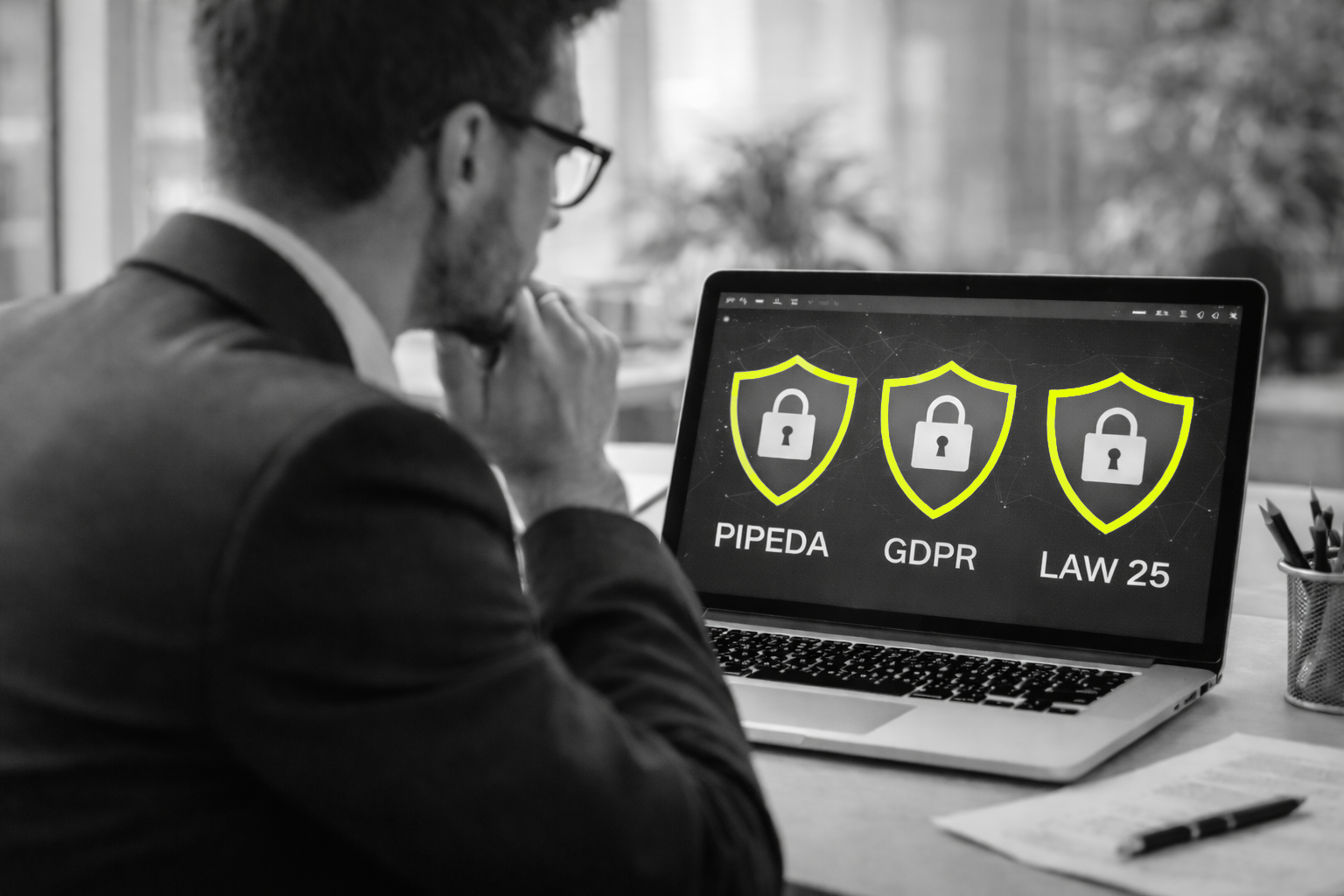
Regulations such as the General Data Protection Regulation (GDPR) in Europe, PIPEDA in Canada, and Law 25 in Quebec require organizations to implement appropriate safeguards to protect personal information.
As a result, many businesses are rethinking how they exchange documents digitally.
Why Privacy Regulations Are Increasing
Large-scale data breaches have exposed millions of individuals' personal information in recent years.
In response, regulators have introduced stricter privacy laws designed to ensure that organizations handle personal data responsibly.
These regulations typically require businesses to:
- protect personal information with appropriate safeguards
- limit unauthorized access to sensitive data
- notify authorities and individuals in case of data breaches
Document exchange workflows often play a critical role in meeting these obligations.
The Compliance Risks of Traditional Document Sharing
Many organizations still rely on traditional methods such as:
- email attachments
- cloud storage links
- messaging platforms
While convenient, these channels may not provide sufficient security controls.
Common risks include:
- documents being forwarded without authorization
- links accessible to unintended recipients
- long-term storage of sensitive attachments in email inboxes
These scenarios can create compliance challenges under modern privacy regulations.
How Secure Document Sharing Helps With Compliance
Secure document sharing platforms introduce stronger controls that help organizations meet regulatory requirements.
These systems typically include:
- encrypted document transmission
- identity verification before document access
- detailed access logs
- document expiration policies
By implementing these controls, organizations can better protect personal data and reduce the risk of unauthorized disclosure.
Conclusion
Privacy regulations continue to evolve as digital communication becomes more prevalent.
Organizations that modernize their document sharing processes can better protect sensitive information while meeting regulatory requirements.
Solutions such as doclinc allow professionals to securely exchange documents through authenticated access links, helping reduce compliance risks while simplifying document workflows.
Frequently Asked Questions
Why do privacy laws affect document sharing?
Privacy regulations require organizations to protect personal information throughout its lifecycle, including during transmission between parties.
What regulations affect document sharing?
Several regulations influence document security, including GDPR in Europe, PIPEDA in Canada, and Law 25 in Quebec.
How can businesses comply with privacy regulations when sharing documents?
Organizations can improve compliance by using encrypted document sharing tools, implementing strong authentication, and maintaining access logs.